Fine Art prompt library

Fine Art AI Image Prompts

Browse fine art examples and reusable AI image prompts for composition, lighting, color, materials, and style.

Browse a focused fine art category based on the PromptPlum taxonomy. Use the references as starting points, then rewrite each prompt for your own subject, format, and visual goal.

Visual reference set
fine art
Library size
5 public prompts
Visual reference set04 / REF
Fine Art AI Image Prompts reference 101
Fine Art AI Image Prompts reference 202
Fine Art AI Image Prompts reference 303
Fine Art AI Image Prompts reference 404
VEYVIA / FINE-ARTCURATED
Prompt library

Choose the closest frame to begin.

Open any reference to inspect the full prompt, or take its image and aspect ratio straight into the generator.

5 public prompts
Fine Art AI Image Prompts prompt 101
traditionalfine-artlandscape

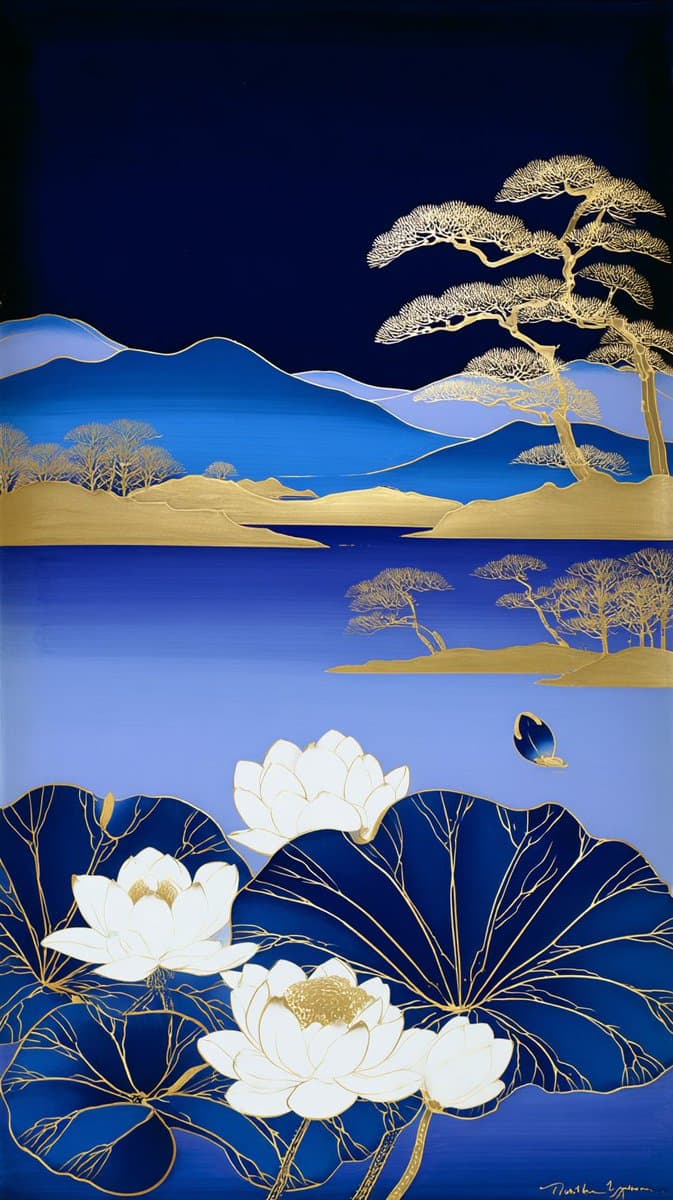
Traditional Japanese lacquerware art, makie style, deep indigo blue and gold leaf, serene night landscape, pristine white lotus flower in foreground, dark blue lotus leaves with intricate golden veins, calm lake with subtle golden ripples, elegant golden blossoming trees, silhouette of Japanese pine tree, layered blue mountain silhouettes, solid ultramarine sky, flat colors, minimal shading, elegant minimalist aesthetic, highly detailed, masterpiece, 8k

Fine Art AI Image Prompts prompt 202
engraving & etching styleai image promptsprompt library

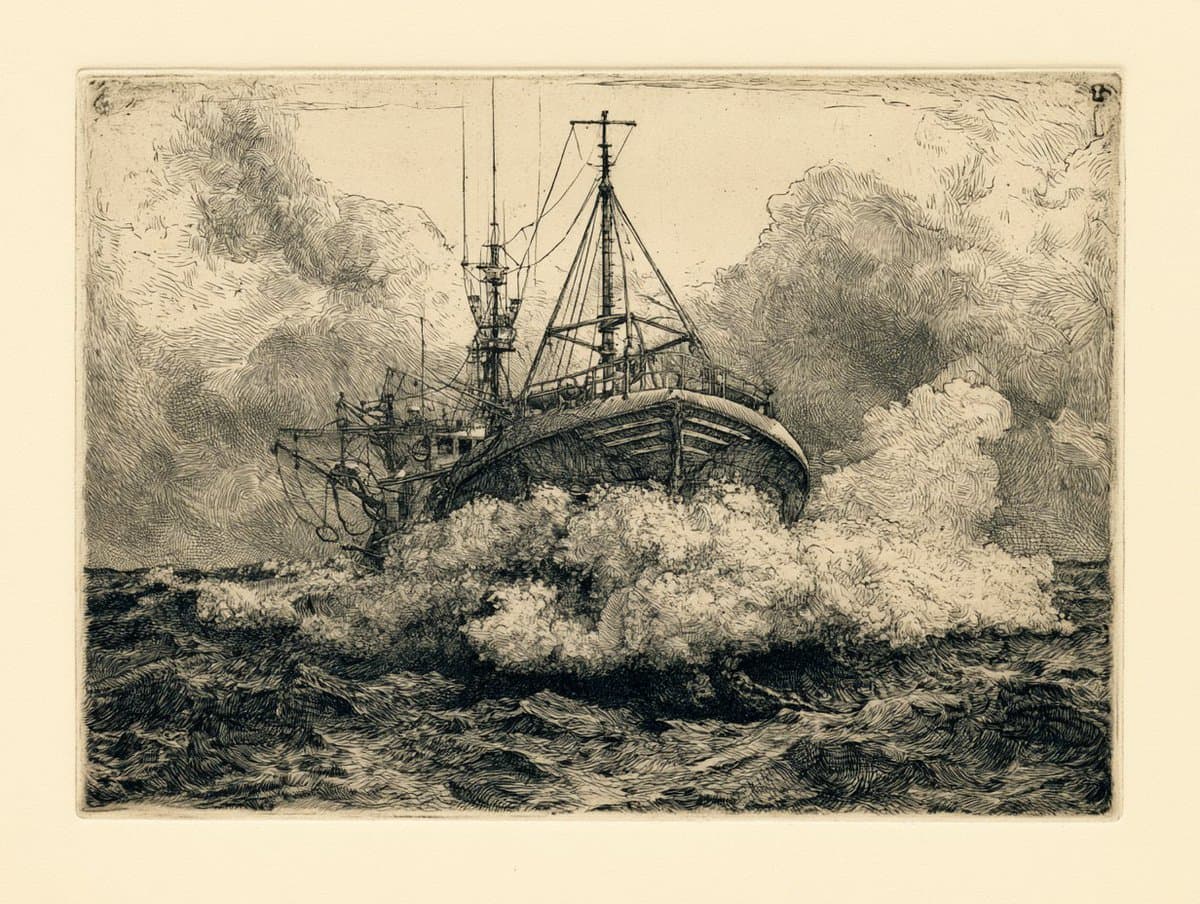
Prompt Studio: Etching, Artistic Styles with Midjourney v8.1 An etching of a [subject], cross-hatched lines building tone and volume, [color] ink on warm cream paper, plate mark embossed into the sheet, Dürer density in the shadow work, printed in a small edition. See ALTs for ideas 👇

Fine Art AI Image Prompts prompt 303
twitterurban-lifestylebranding-advertising

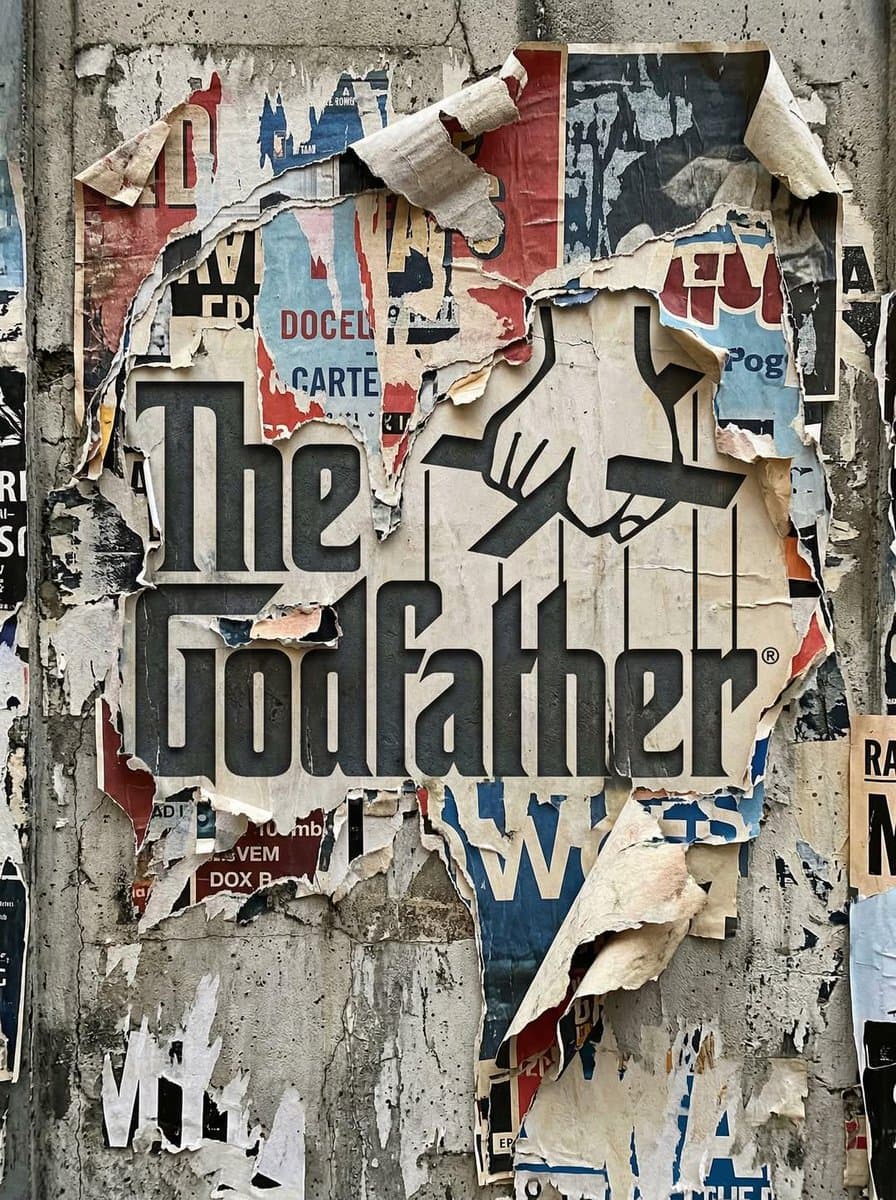
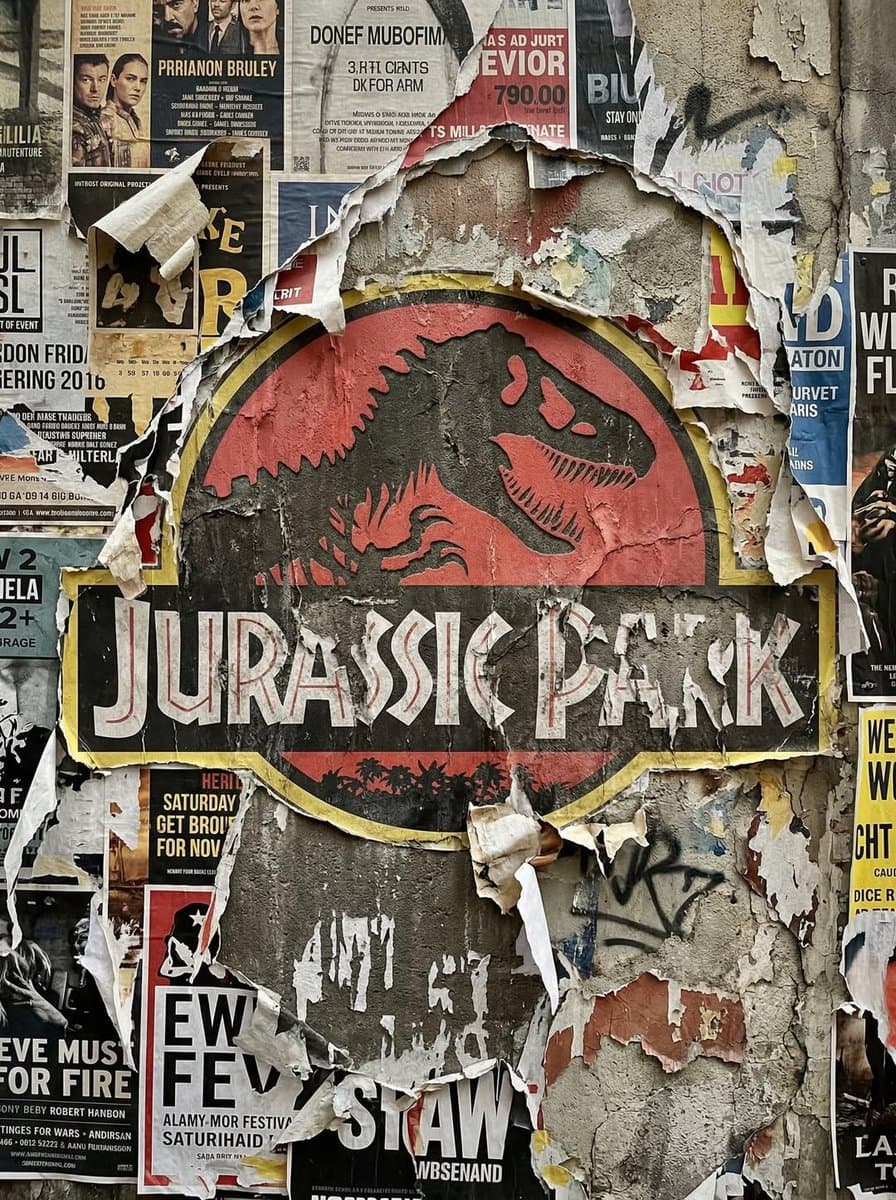
Gemini Nano Banana Prompt: Transform the uploaded logo into a realistic urban wall scene where the logo silhouette is revealed through layers of torn posters. The logo must keep its exact shape and proportions, appearing as if multiple posters have been ripped away over time, exposing the shape naturally within the layered paper textures. Material details: Multiple overlapping poster layers with different colors, prints, and paper types. Ripped edges with fibrous texture, curls, and torn fragments. Aged paper with fading, stains, glue residue, and slight peeling. Some areas showing older layers beneath, creating depth. Physics behavior: Paper tearing should look natural — irregular edges, varying thickness, partial detachment. Edges curling outward due to humidity and time. Glue holding some sections while others peel away. Layer separation revealing deeper textures gradually. Surface interaction: Rough concrete or plaster wall beneath the posters. Glue marks and residue where posters were attached. Cracks, dirt, and weathering visible on exposed wall areas. Environment: Urban street setting - alley wall or city corner. Hints of surrounding posters, graffiti, or wear. No overly clean or staged look. Lighting: Natural daylight or soft urban lighting. Shadows inside torn layers creating depth. Subtle highlights on curled paper edges. Atmosphere: Raw. Layered. Time-worn. Authentic street texture. Camera & composition: Straight-on or slightly angled close-up view. Logo clearly visible through torn layers. Depth emphasized through overlapping paper textures. Format: Aspect ratio: STRICT 4:5 vertical. No text overlays. Style: Hyper-real urban surface photography. Physically accurate material aging and layering.
Fine Art AI Image Prompts prompt 404
twitterfine-arttraditional

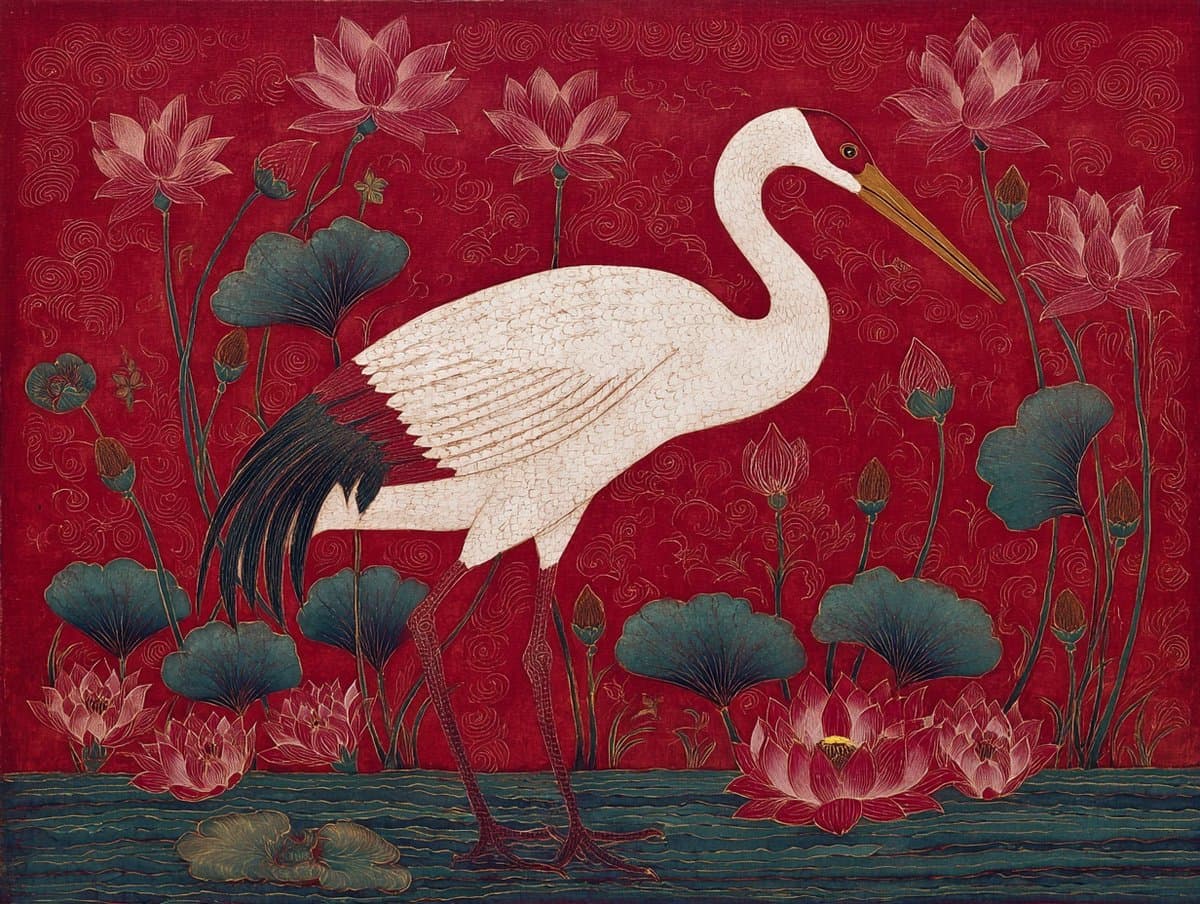
Prompt Studio: Korean Minhwa Folk Painting, Artistic Styles A Korean minhwa folk painting of a [subject], bold outlines and flat saturated [color1] and [color2], naive perspective and symbolic arrangement, hanji paper with visible fiber, Joseon-era auspicious energy, meant to bless a household. Stylization 100, no --p used, --ar 4:3, v7 Check ALTs for ideas 👇

Fine Art AI Image Prompts prompt 505
twitterconcept-artfine-art

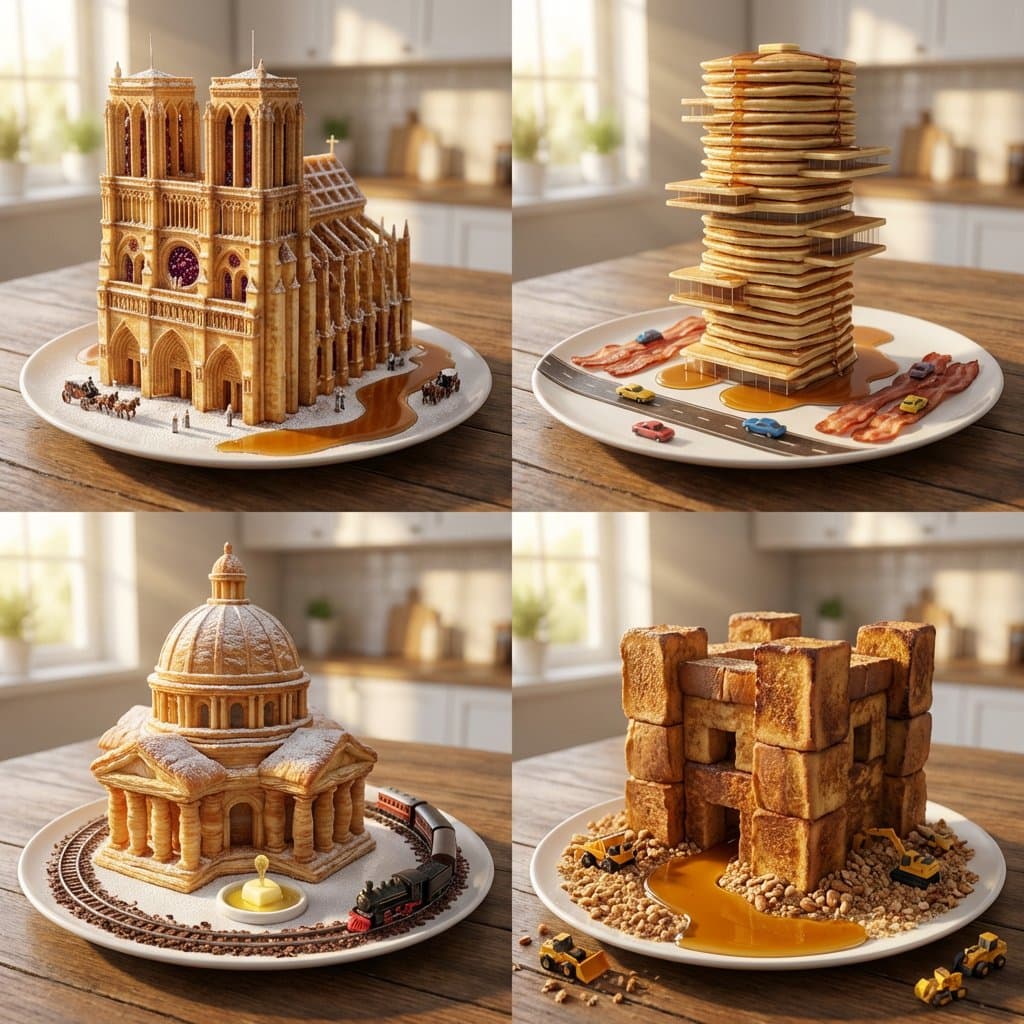
I don't like playing with my breakfast but if I did, I'd probably try these :) Nano banana prompt: <instructions> Role: Michelin Pastry Chef & Master Architect Input: [Architectural Era] + [Breakfast Item] Phase 1: Structural Logic Pick 4 defining elements of the architectural era (e.g., Gothic = flying buttresses, stained glass). Translate these elements into the physical properties of the breakfast food (e.g., a waffle grid becoming a skyscraper facade). Phase 2: Visual Execution Goal: 2x2 Grid of "Breakfast Foods Sculpted as Buildings." Rules per Panel: Subject: A single plate of the breakfast food, but it is architecturally structured as a monumental building from the chosen era. Set: Syrup acts as rivers, powdered sugar as snow, or steam as low-hanging fog. Scale: Tiny vehicles or people at the base to establish massive scale. Camera : Golden hour morning sunlight slicing through a window, photorealistic food textures (crispy, buttery, glistening), 85mm portrait lens, blurred kitchen background. </instructions>

Reference to result

Three steps forward, without starting from a blank canvas.

  1. 01

    Pick a reference

    Choose the frame closest to your goal in composition, color, and purpose.

  2. 02

    Adjust the details

    Change the subject, copy, style, and image ratio in the generator.

  3. 03

    Generate the image

    Keep the prefilled reference, generate, then refine from the result.

Nothing quite fits?

Start with a blank prompt and define the subject, composition, typography, and aspect ratio yourself.

Create from scratch
Working notes

Get closer to a finished image on the first pass.

01

About Fine Art prompts

Fine Art prompts help organize visual ideas around a specific style, subject, medium, or photography use case. Published examples may change as the collection grows.

02

How to write a stronger Fine Art prompt

Name the main subject first, then define composition, environment, lighting, palette, materials, camera or rendering technique, aspect ratio, and the intended output.

03

How to refine the generated result

Remove conflicting style instructions, keep one clear visual direction, and review anatomy, text, logos, perspective, and important category-specific details before publishing.

Common questions

A few things to know before you begin.

What are Fine Art AI image prompts?

They are reusable visual briefs grouped under the Fine Art category. Each brief can be adapted to a different subject, reference image, composition, or output size.

How are Fine Art examples selected for this collection?

Published prompts are assigned to this collection when their subject, style, or intended use matches the Fine Art category.

Can I customize these Fine Art prompts?

Yes. Replace the subject and context, then adjust the lighting, palette, materials, lens or rendering method, aspect ratio, and detail level for your project.