AI creative prompt
Conceptual Art Abstract Splash Art Prompt for AI Image
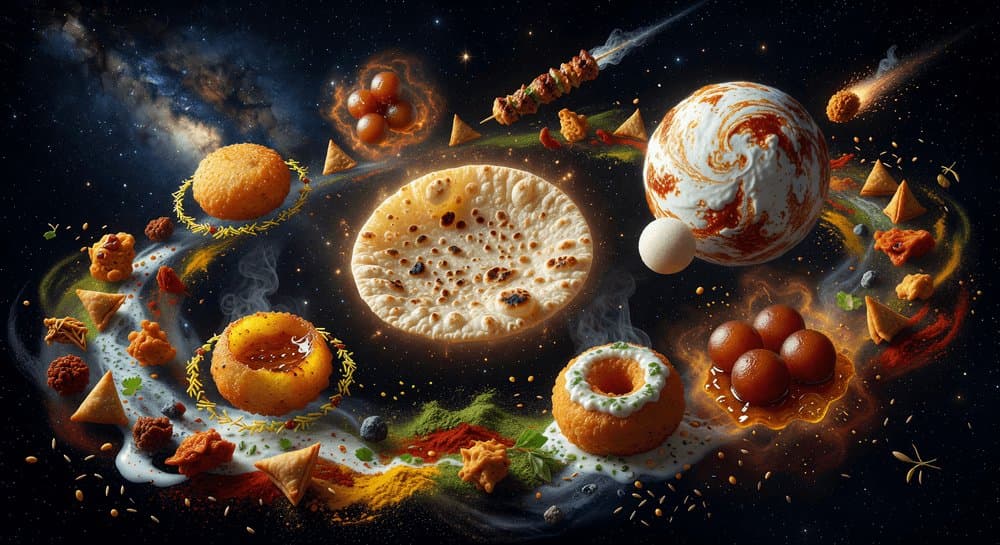
Copy and customize this Conceptual Art Abstract Splash Art AI Image Prompt for your next image. Grok Imagine Image Prompt Share. Food Galaxy: A cosmic/space...
Create an RSVP Invitation Link in 2 Minutes
Veyvia is an elegant digital invitation & free RSVP tracking platform. Personalize templates, collect dietary preferences, and track guest lists in real time.
Explore More
Discover more high-quality prompts and get inspired by others' creativity.
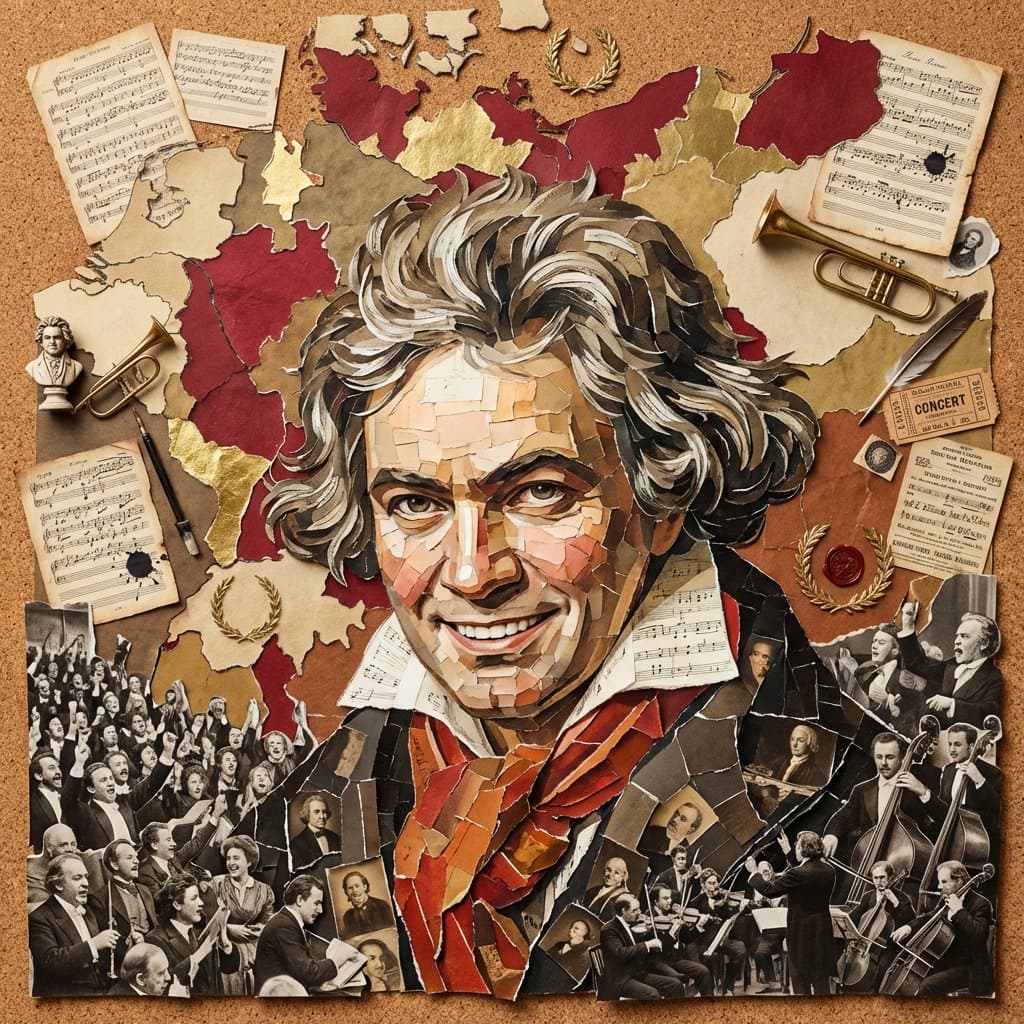
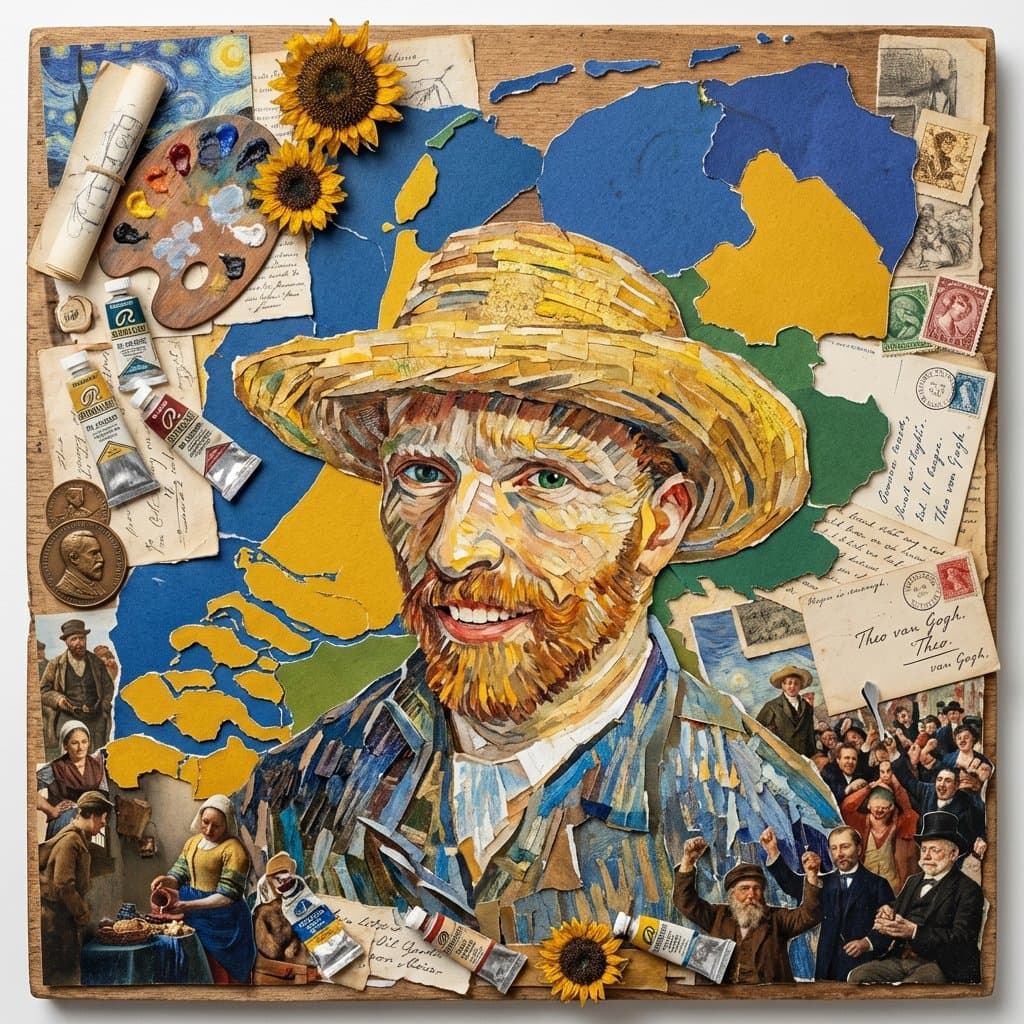
I modified my Pele prompt, so it now works for any famous person. Do this for beethoven: <instruction> 1. Inference Engine Input A is a Globally Recognized Figure (e.g., Pelé, Muhammad Ali, Frida Kahlo, Winston Churchill). Deconstruct the figure's legacy into 4 Collage Assets : The Anchor (The Portrait): Identify a recognizable, smiling, front-facing portrait of the individual. The Terrain (The Map): Identify the outline of their home country or most significant region. (e.g., Pelé -> Brazil. Churchill -> United Kingdom. Kahlo -> Mexico). The Colors (The Theme): Identify the dominant colors associated with their nation or profession. (e.g., Pelé -> Yellow, Green, Blue. Kahlo -> Vibrant primary colors and earth tones). The Ephemera (The Clutter): Identify specific historical objects related to their career. (e.g., Pelé -> Tiny World Cup trophies, old match tickets, cheering fans. Churchill -> Telegraphs, medals, cigars). 2. Container (The Collage Board): Goal: A "Mixed-Media Mosaic" Flat Lay. The Base: A square piece of heavy cardboard, corkboard, or rough wood lying flat. The Technique: The entire image is a densely packed physical collage made of torn paper, vintage photographs, ticket stubs, and small 3D objects glued to the board. 3. The Mosaic Portrait The Construction: The portrait (Input A) dominates the center of the frame. The Illusion: The face is NOT a single painted image. It is a "Photo Mosaic" created by hundreds of tiny, distinct, overlapping rectangular and torn pieces of paper (e.g., tiny faces, skin-toned paper scraps, historical photos). Detail: The viewer must be able to see the individual paper edges and overlapping corners making up the eyes, smile, and hair. 4. The Background The Map: Behind the portrait, the outline of the "Terrain" (Step 1) is constructed using larger, torn pieces of solid-colored paper matching the "Theme" colors (e.g., Green and Yellow paper forming Brazil). The Crowd: The bottom corners and edges are filled with cut-out photos of cheering crowds, teammates, or relevant historical figures reacting to the main subject. The Detritus: The remaining empty space is jammed with the "Ephemera" (vintage tickets, logos, handwritten notes, small 3D pins/trophies glued to the surface). 5. Lighting & Atmosphere: Lighting: Flat Studio Copy-Stand Lighting. Even, bright illumination from above that casts very tiny, sharp drop shadows underneath the curled edges of the torn paper and 3D objects, emphasizing the physical, layered texture of the collage. Texture: High fidelity. The grain of the paper, the glossy sheen of the tiny photos, and the glue marks should be visible. Output: ONE image, 1:1 Aspect Ratio, Macro Photography of Mixed Media Art, "Scrapbook Mosaic" aesthetic, Horror Vacui (no empty space). </instruction>
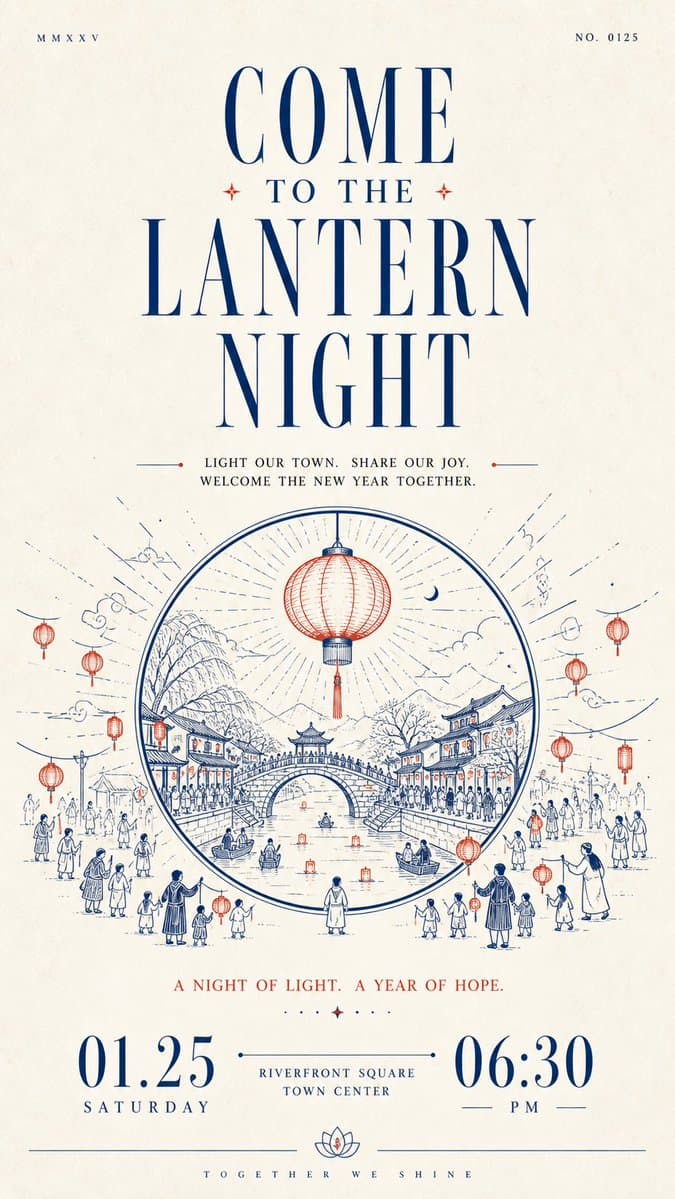
Build a restrained, solemn paper-based informational design with human warmth around any chosen thematic subject: let large areas of bright white space first establish quiet order, then let a striking headline, line-drawn narrative, and bottom numerals carry the reading onward in sequence. Organize clearly differentiated modules along a single main reading axis: near the top, place one extremely small, thin, widely letterspaced auxiliary text or numbering group on each side, separated by remote spacing to create slight asymmetry; beneath them, set an oversized, high-contrast Latin serif headline extending horizontally, with strong contrast between fine hairlines and thick stems, elongated letterforms, sharp terminals, and the same accent ink as the core illustration; then add a centered group of short Chinese phrases on the theme, built on a slender Songti skeleton with generous line spacing and breathing room between characters, so the dark text block both carries the headline and builds momentum toward the illustration. Distill the thematic subject's core image and its relationship to the environment into a monochrome printmaking-style line drawing rather than reproducing fixed objects: build outward spatial movement from the center with clear outer contours, continuous arcs, layered paths, and a few flat fills; keep foreground lines longer and more open, make the middle forms the heaviest, and finish the distance with fine short strokes; alternate dense detail with large expanses of empty paper, keep the contours legible, allow slight hand-drawn variation in line weight, and preserve the soft, blunted edges created by ink absorption at corners of a printed mark, so the image has a monumental stability without feeling heavy. Place the most important short notice phrase below the illustration, then anchor the bottom visual weight with a group of oversized, high-contrast numerals or equally scaled key information, spreading the left and right information apart and connecting the center with an ultra-fine horizontal line and small text, so the extreme scale differences create the ceremony of a formal announcement; finish with a hairline rule running across the bottom edge, lifted at its center by a small symmetrical emblem derived from the theme, and set a micro Latin wordmark beneath it with extremely wide letterspacing for a quiet, precise ending. Derive the color adaptively from the theme: the theme's meaning decides the specific hue and warm/cool character of the accent, which should stay medium-high in saturation, clean, and slightly pigment-like, occupying roughly one-tenth to two-tenths of the image and concentrated in the large headline, core line drawing, and bottom fine lines; give the background a near-white, low-saturation paper color that harmonizes with the accent, lets it dominate the composition, and keeps it high in lightness; use a near-black with the same warm/cool tendency for body text and numerals, limiting it to the typographic skeleton and local contrast. Keep an asymmetric area contrast rather than an even color balance: the more vivid the accent color, the more restrained the paper and the fewer, more precise the dark areas. Render the surface as fine uncoated paper fiber with slight uniform grain and a soft scanned feel; keep the texture mainly on the blank paper and visible through thin layers of ink, allow only tiny tonal variation in solid areas, and avoid heavy stains, strong creases, gloss, dimensional shadows, or decorative gradients; the whole design should remain bright, airy, and slightly edged by the paper's ink absorption, preserving the order among white space, line drawing, typographic scale jumps, and bottom closure, while preventing the illustration from expanding and squeezing the information or the text from averaging out and losing rhythm.
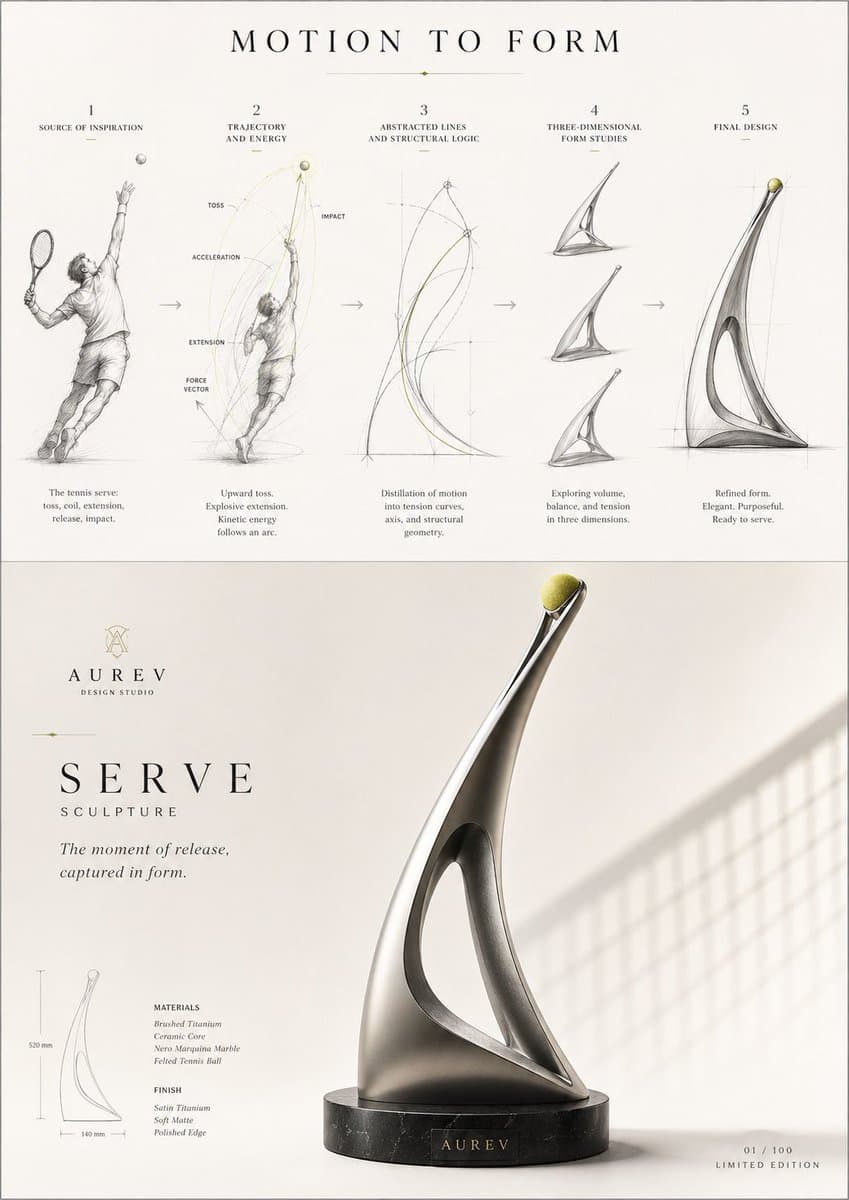
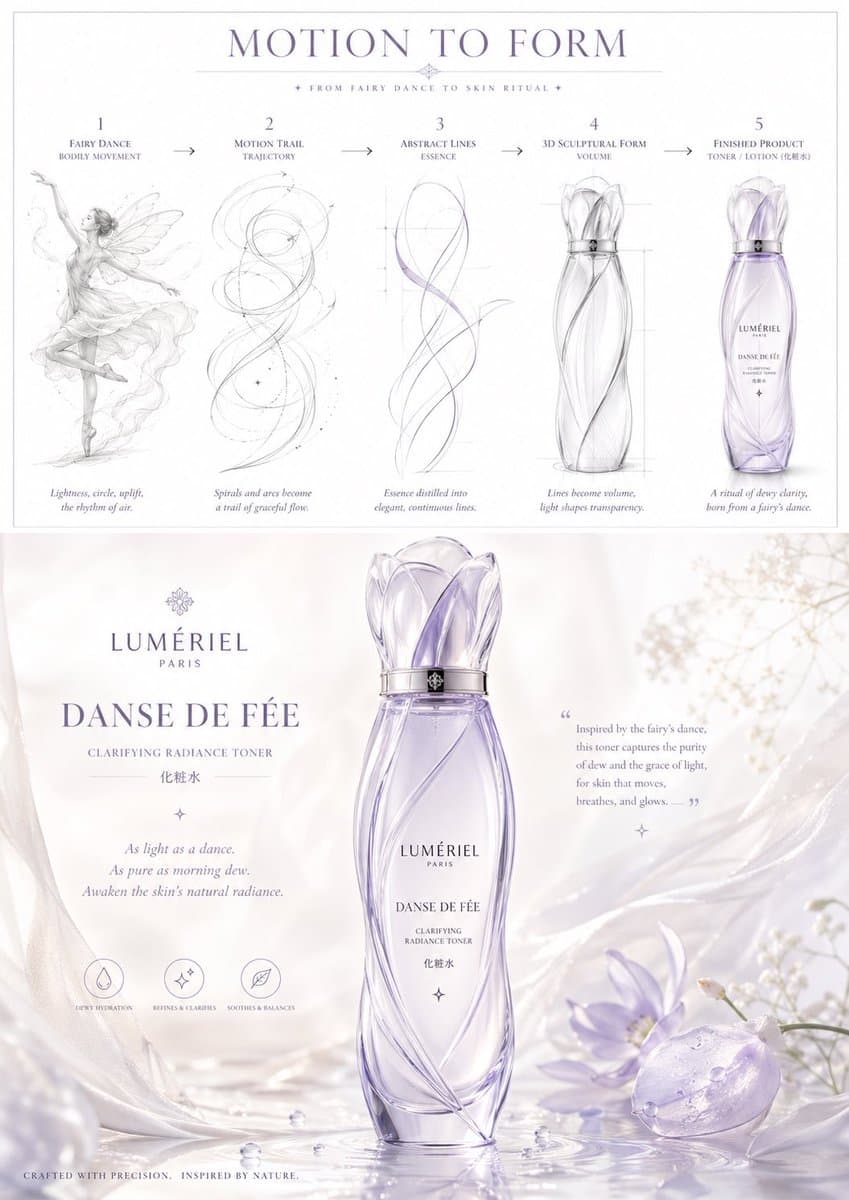
GPT img2でプロダクトデザイン _______________________ プロンプト: _______________________ テーマ:【⭐︎例:テニスのサーブ】 このテーマを、概念から造形へ翻訳していくプロセスと、その最終到達点としての完成デザインを、1枚のA4縦長ビジュアルで表現してください。 上下2段構成。 上段は、テーマの本質を5段階で視覚化するプロセス図。 着想の源泉 → 軌跡やエネルギー → 抽象化された線や構造 → 立体フォルム → 完成デザイン、という流れで構成する。 繊細なスケッチ、線画、設計ドローイング、小さな矢印、短い英字ラベル、余白のある洗練されたレイアウト。 タイトルは “MOTION TO FORM”。 下段は、上段のプロセスから導かれた完成形のヒーロービジュアル。 カテゴリは固定せず、テーマに最も適したデザイン対象をAIが判断して選ぶ。 それはプロダクト、オブジェ、家具、装身具、パッケージ、器、照明、ガジェット、アクセサリー、アートピースなど自由。 架空のブランド名、名称、短いコピーを生成し、広告またはデザイン発表ビジュアルとして成立させる。 全体は、コンセプトボード、ブランド広告、デザイン開発資料を融合したような完成度。 ミニマル、詩的、知的、余白が美しい構成。 色調はニュートラルを基調に、テーマ由来のアクセントカラーを1〜2色。 素材感、光、陰影、構造美、質感表現を精密に描写する。 高解像度、商業ビジュアル品質。