AI creative prompt
Illustration Education Prompt for AI Image
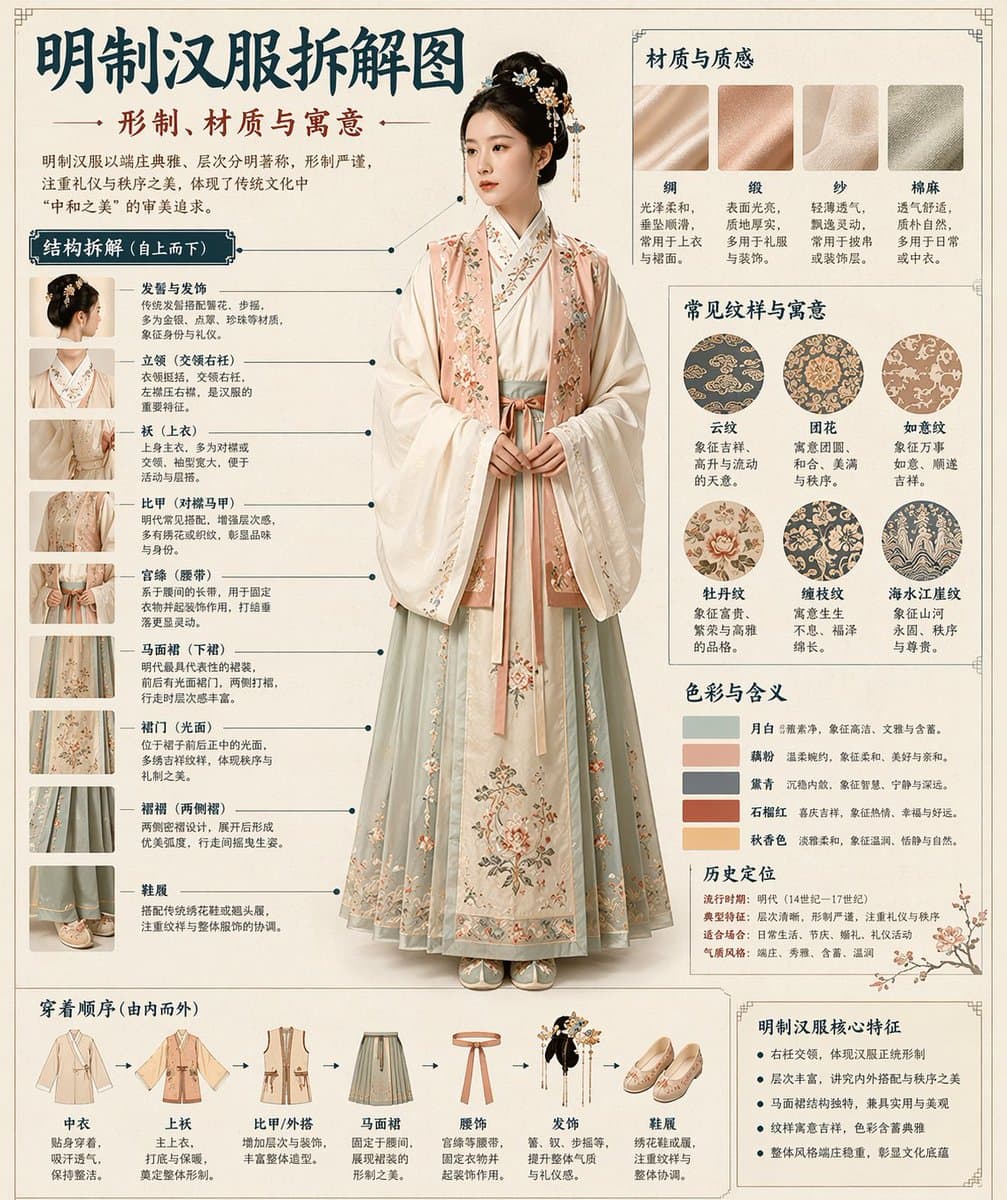
Copy and customize this Illustration Education AI Image Prompt for your next image. GPT-image-2 生成汉服拆解图🤯图鉴式风格,拆的很细!...
Create an RSVP Invitation Link in 2 Minutes
Veyvia is an elegant digital invitation & free RSVP tracking platform. Personalize templates, collect dietary preferences, and track guest lists in real time.
Explore More
Discover more high-quality prompts and get inspired by others' creativity.
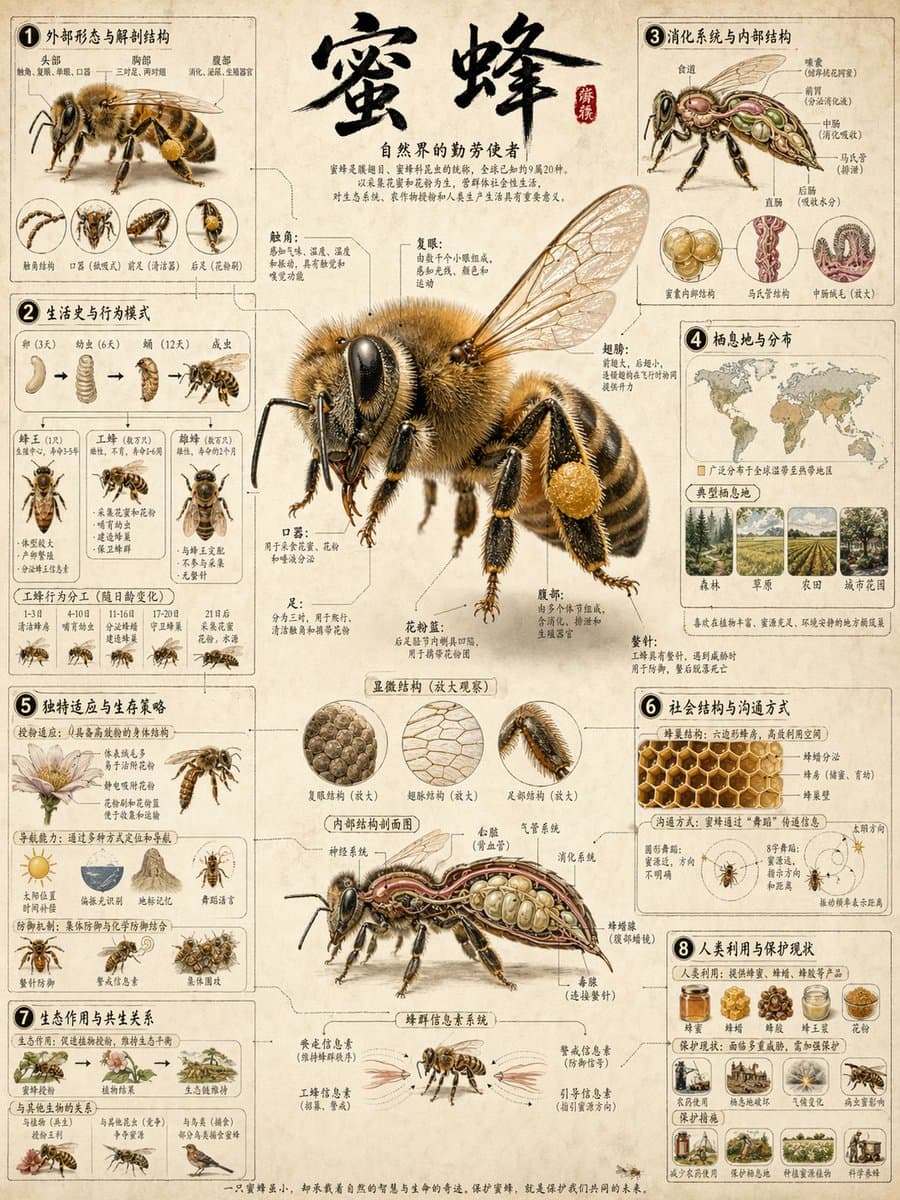
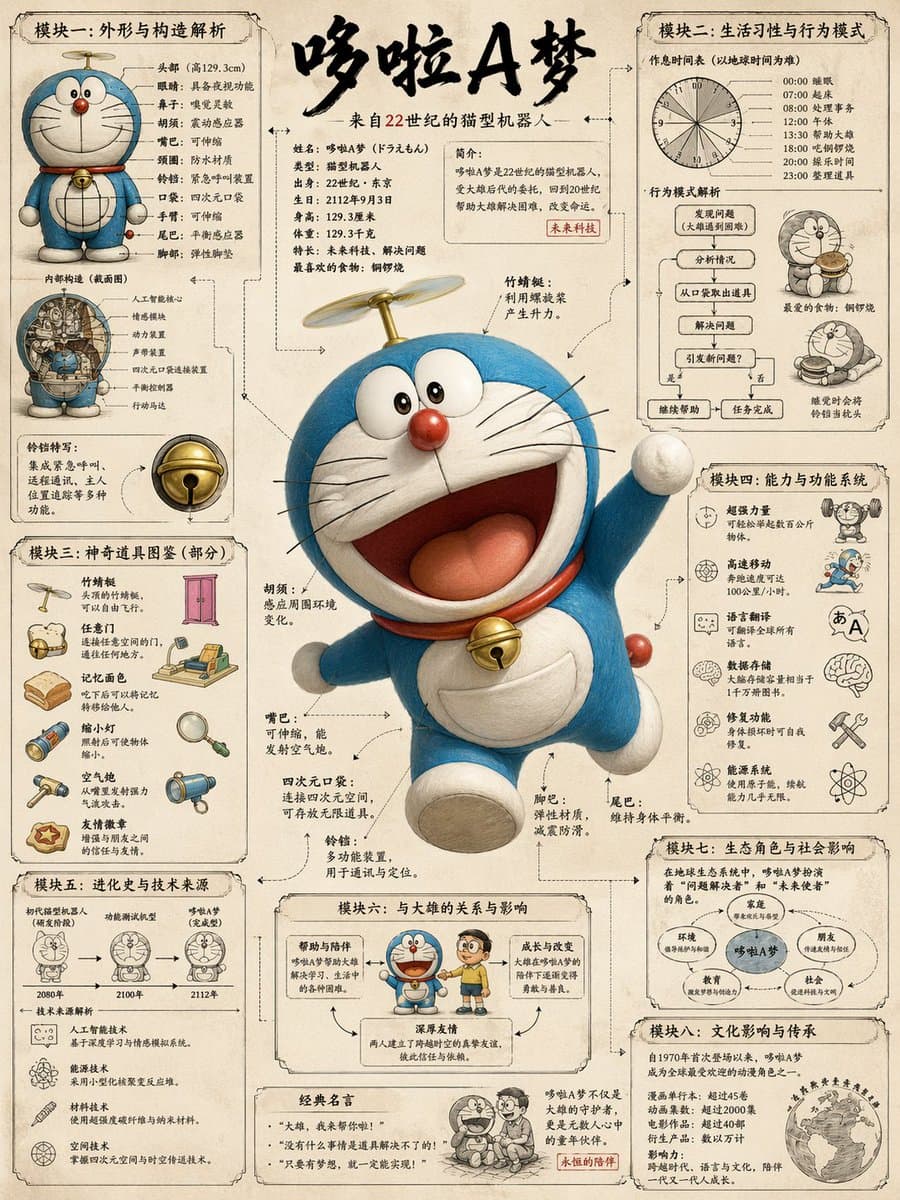
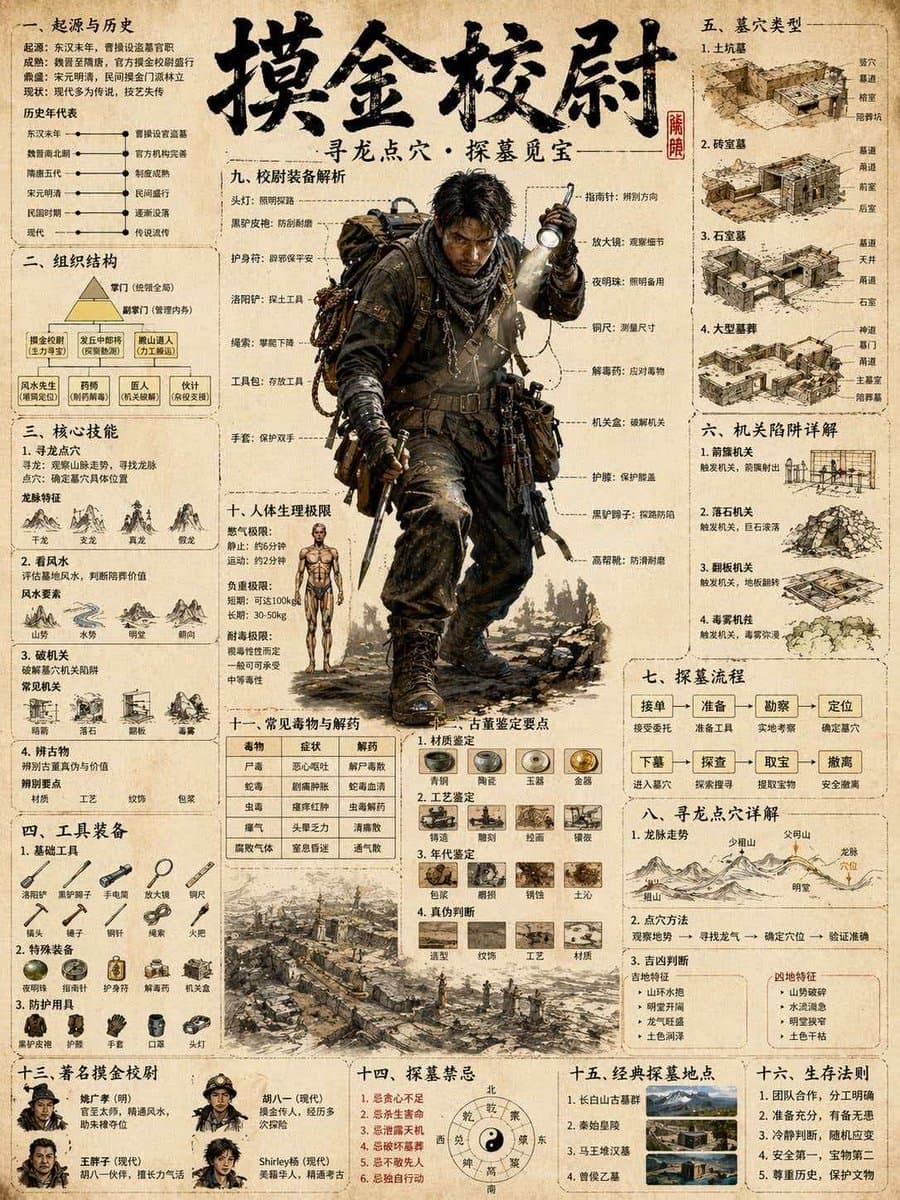
提示词如下 Role: World-class Scientific Encyclopedia Illustrator & Knowledge Graph Architect. Task: Generate a highly detailed, extremely intricate, and visually stunning "Universal Illustrated Encyclopedia Science Infographic" in a classic, unbranded (NO logos) scientific encyclopedia style. Subject Matter: Choose one from [People, Plants, or Animals]. Specific Subject: [e.g., The Giant Squid / Leonardo da Vinci / The Sequoia Tree]. Style: Fine, detailed scientific illustration on a retro, aged beige paper background. Delicate linework. Intricately complex and professional. Key Visual Requirements: 1. Lifelike 3D Effect (The Central Subject): The central subject in the "C position" must be rendered with extraordinary realism and dynamism. Create a dramatic sense of depth where the character, plant, or animal appears to break the frame, leaping or bursting out of the flat paper towards the viewer (an effect similar to anamorphic 3D or dynamic pop-out, with high-precision realism). 2. Layout & Strategic White Space: * Central Subject: Dominates the center, with intentional "strategic white space" around it to enhance the popping-out effect and make the figure the clear focal point. * Surrounding Modules: The surrounding area (left, right, top, bottom, and corners) must be filled with 6-8 distinct, highly organized knowledge modules, depending on the subject. There should be a sense of organized density, not random clutter. The modules themselves must have clear borders, headers, and extensive, detailed content. 3. Connections: Use a complex, logical network of fine leader lines, arrows, brackets, dotted lines, and small connection points to link the central figure to all surrounding modules, and interconnect the modules themselves into a cohesive knowledge web. 4. Text & Annotation (Hard Requirement - Must be CLEAR Chinese): * Main Title: A large, prominent, beautifully executed **Chinese calligraphy** (书法体) of the specific subject's name [e.g., "大王乌贼"]. * Calligraphic Accents: Scattered throughout the main content and module titles, use beautiful, clear Chinese calligraphy for important terms. * Standard Chinese Text: All other descriptive text, handwritten notes (大量清晰中文手写注释), module content, and annotations must be clear, legible Chinese characters (简体中文), not gibberish or unreadable symbols. Ensure text clarity is prioritized. * Leader Line Annotations: Every single small component, detail, submodule, diagram, or illustration within the modules must have detailed leader line annotations (拟解剖图) pointing directly to it for maximum professionalism and educational value. Every part should be labeled. Subject-Specific Module Structure (Example for general reference): A. For Humans [People]: - Module 1: Anatomy & Skeletal Structure (w/ magnified cross-sections) - Module 2: Physiological Processes (e.g., Circulatory/Nervous System) - Module 3: Historical Context & Timeline (Key Achievements) - Module 4: Major Contribution Diagram (Detailed breakdown) - Module 5: Cognitive Process / Psychological Insight - Module 6: Genetic Profile / Evolution - Module 7: Global Influence & Cultural Impact - Module 8: Cultural Representations / Legacy B. For Animals: - Module 1: Full External Sketch & Anatomy (w/ microscope magnified detail circular windows) - Module 2: Behavioral Patterns & Lifecycle (e.g., Mating/Migration, Flowchart style) - Module 3: Digestive & Skeletal System - Module 4: Habitats & Distribution Map (with environmental details) - Module 5: Unique Adaptations (e.g., camouflage, hunting tools) - Module 6: Evolutionary History & Relatives - Module 7: Symbiotic Relationships / Ecosystem Role - Module 8: Conservation Status & Human Interaction C. For Plants: - Module 1: Full Plant Sketch & Anatomy (w/ magnified leaf/root details) - Module 2: Photosynthesis & Lifecycle Flow (w/ icons for environment) - Module 3: Cellular Structure (Magnified circular views) - Module 4: Medicinal Properties / Practical Applications (as in original original prompt) - Module 5: Environmental Adaptations / Unique Features - Module 6: Distribution Map & Environmental Context - Module 7: Genetic Variations & Cultivation - Module 8: Historical Usage & Folklore Overall Composition: Extremely dense with information, organized into 6-8 structured modules, but balanced with strategic empty space around the center to allow the main, hyper-realistic figure to pop. Hard-core, professional, academic, but visually engaging due to the dynamic 3D central figure. No branding from any specific encyclopedia (e.g., no "DK" logos). All annotations must be legible. All handwritten notes must be clear. Main titles in Chinese calligraphy. Aspect Ratio: 3:4. 主题内容:蜜蜂
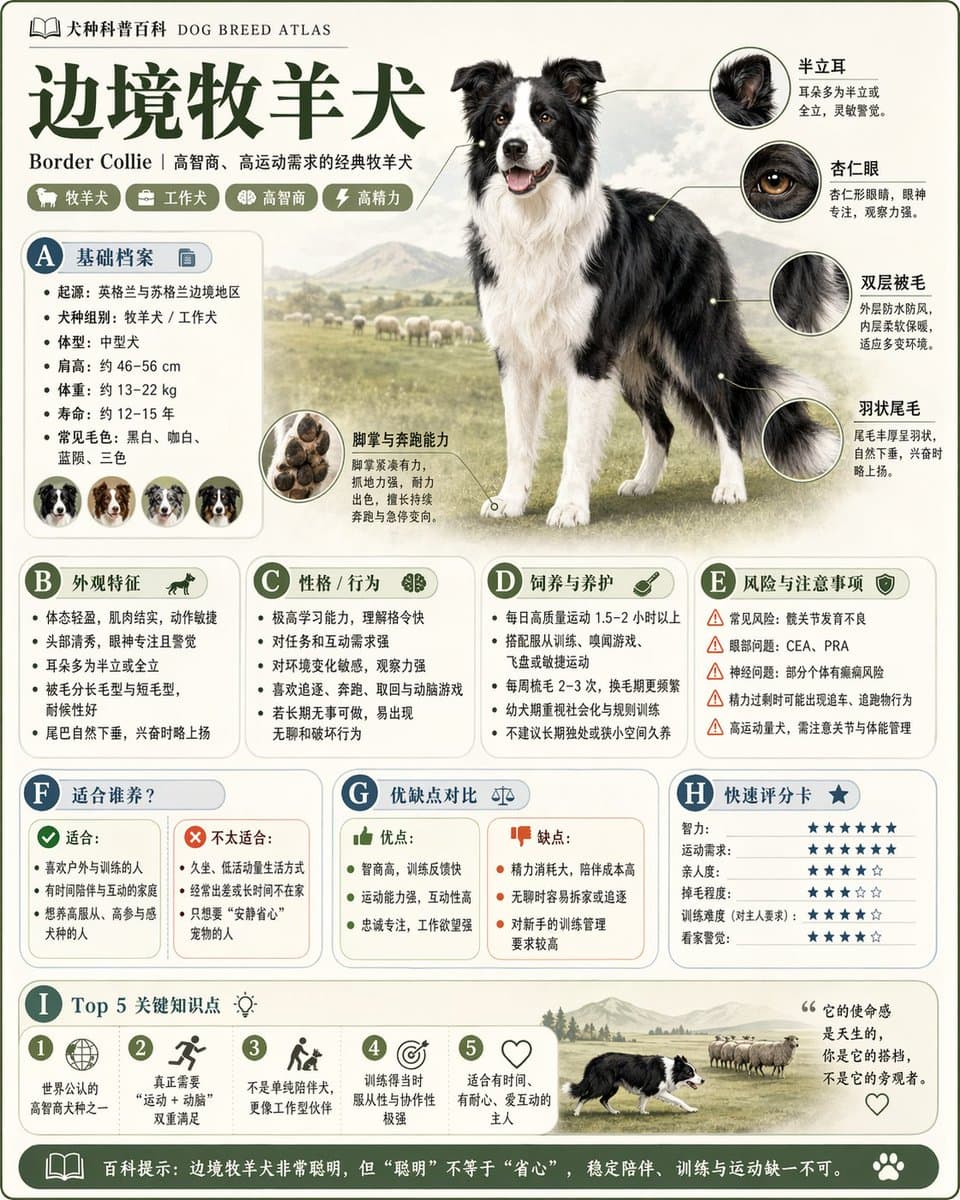
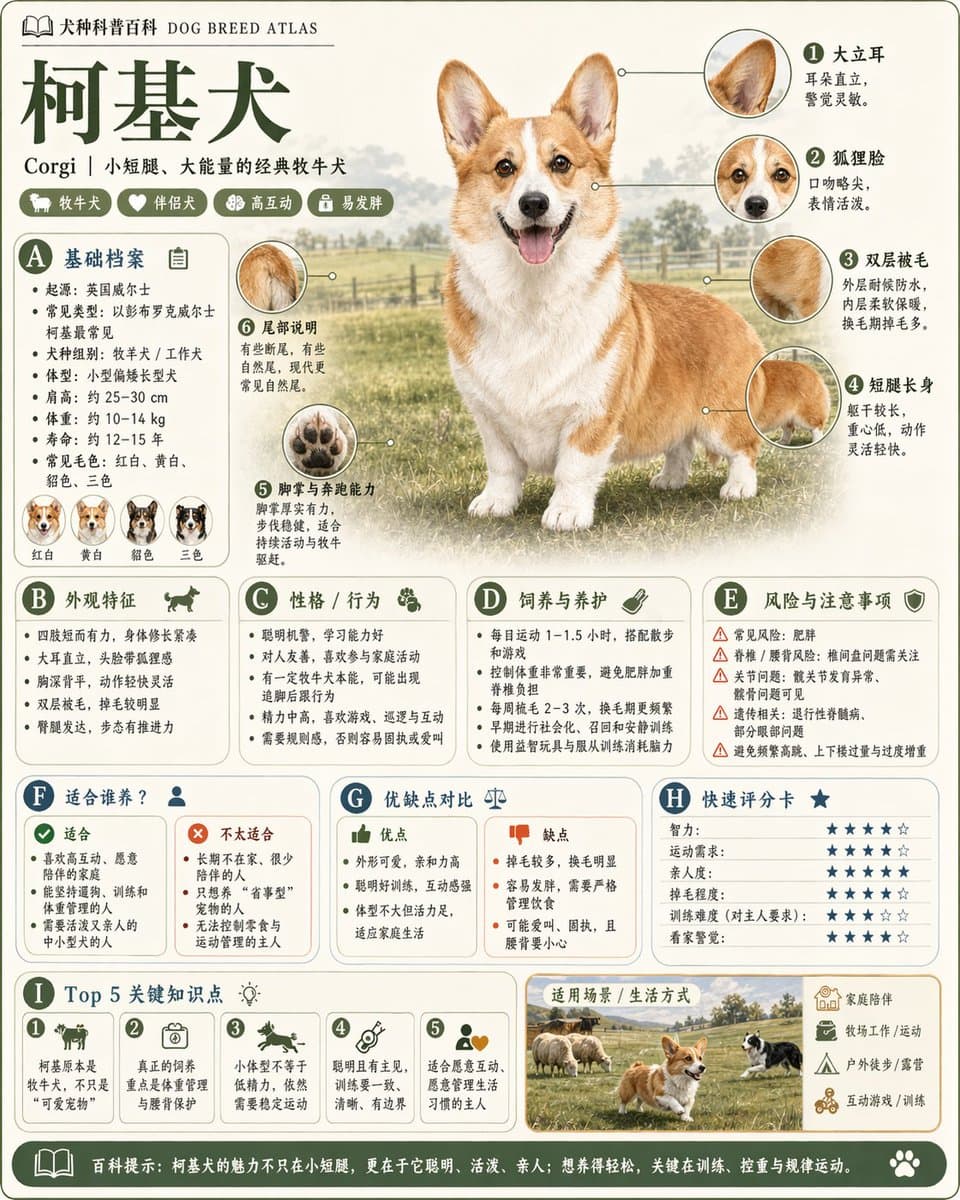
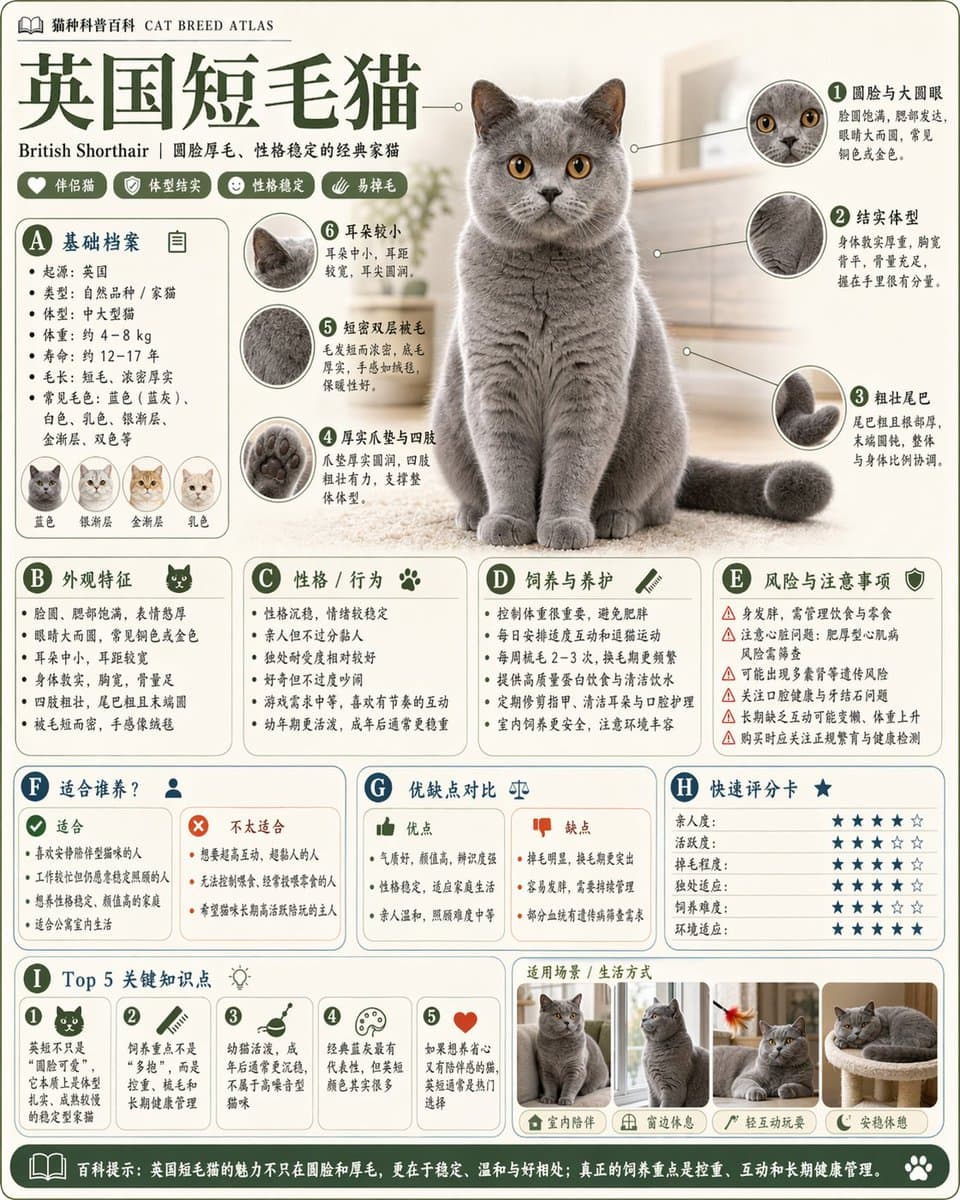
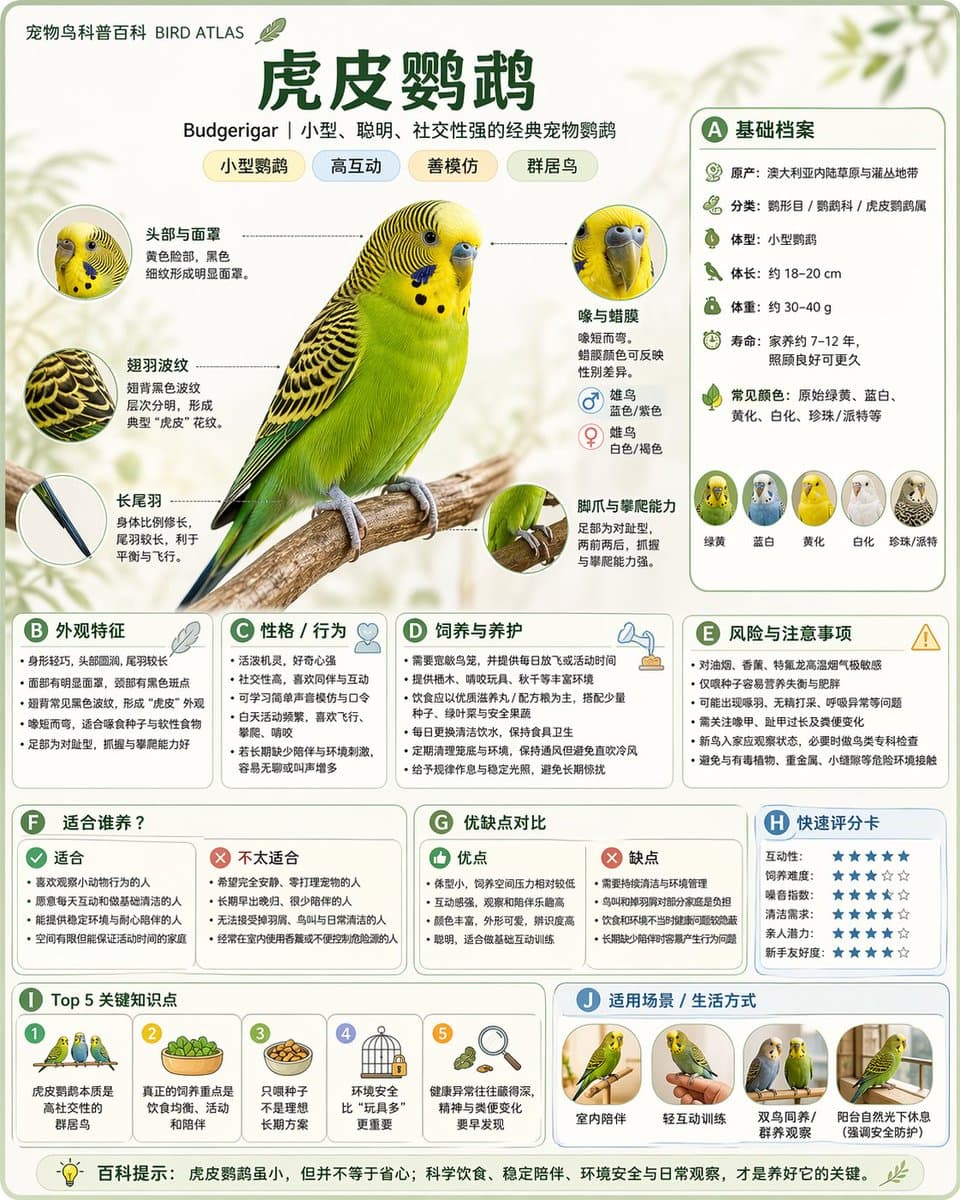
用GPT-image-2生成科普百科图,快速扫盲不懂的知识!😉 这个提示词是通用模板,把主题换成任何动物、植物等等,你就可以通过一张图了解到TA的档案、习性、特征、养护等知识。 提示词: 请根据【主题】生成一张高质量竖版「科普百科图」。 这张图不是普通海报,也不是单纯插画,而是一张兼具“图鉴感、百科感、信息结构感、收藏感”的模块化科普信息图。整体风格参考高级博物图鉴、现代百科书页、生活方式知识卡和社交媒体高传播信息图的结合。 请让画面包含: - 一个清晰漂亮的主题主视觉 - 若干局部特征放大细节 - 多个圆角模块化信息分区 - 清楚的标题层级与重点标签 - 简洁但丰富的百科内容 - 可视化评分、要点总结或Top 5模块 内容栏目请根据主题自动适配,优先从这些方向中选择并合理组合: 基础档案、分类信息、外观特征、习性/生态、形成机制/结构组成、生长或使用条件、养护或维护建议、风险与注意事项、适合人群或适用场景、优缺点对比、快速评分卡。 视觉要求: 浅色干净背景,柔和配色,轻阴影,精致小图标,圆角信息框,整洁排版,信息密度高但不拥挤,阅读体验好。整体必须像真正可以发布、阅读、收藏、系列化生产的科普百科卡,而不是广告图。 请不要做成普通商业宣传海报。要突出“知识整理 + 模块信息 + 图鉴式展示”的特征。
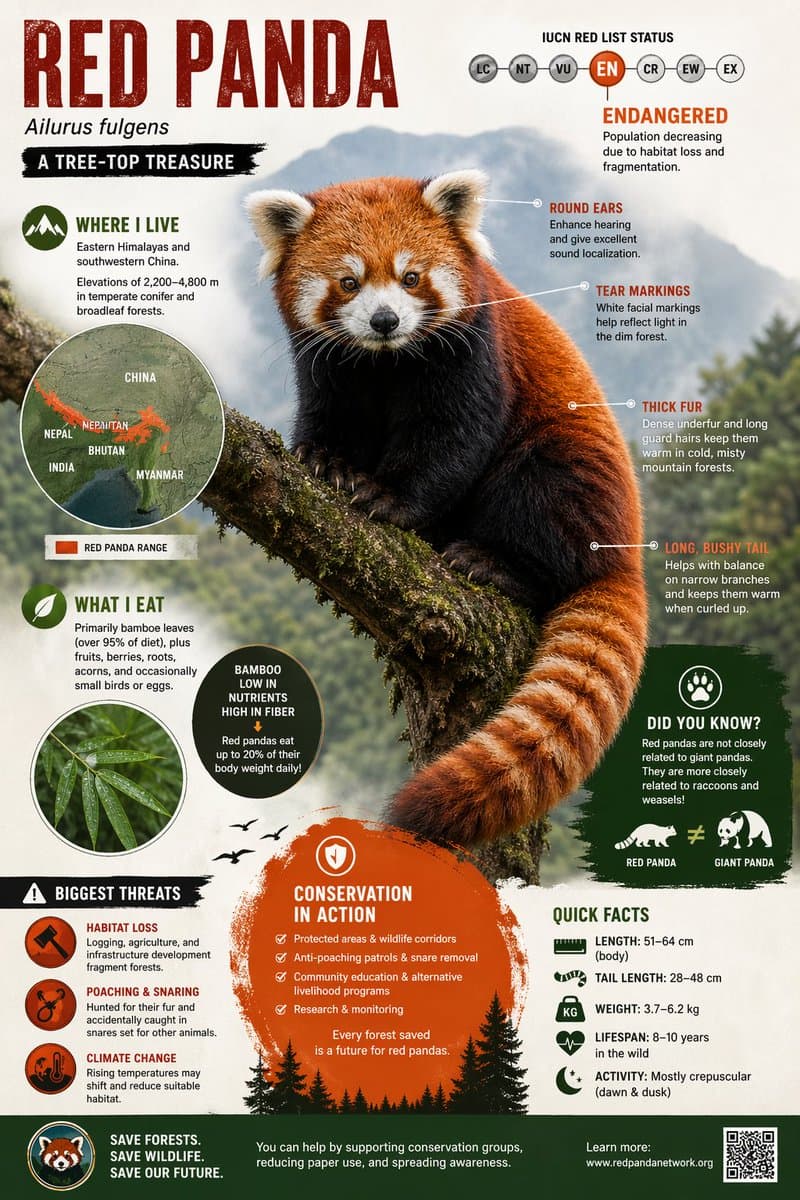
GPT Image 2 on ChatGPT Prompt Create a visually rich infographic about an endangered animal. Start by finding one online, research its habitat, diet, and unique traits. Present information through annotated visuals and structured callouts, not generic sections. Style it like a bold graphic illustration: a detailed, photorealistic central animal as the focal point, supported by diagrams, callouts, and concise text elements. Use clean backgrounds and a mix of photorealism with strong graphic elements (shapes, icons, color blocking) in a layered composition. Make it dense, tactile, and professionally authored.