Storytelling / Narrative Photography prompt library

Storytelling / Narrative Photography AI Image Prompts

Browse storytelling / narrative photography examples and reusable AI image prompts for composition, lighting, color, materials, and style.

Browse a focused storytelling / narrative photography category. Use the references as starting points, then rewrite each prompt for your own subject, format, and visual goal.

Visual reference set
storytelling narrative photography
Library size
2 public prompts
Visual reference set04 / REF
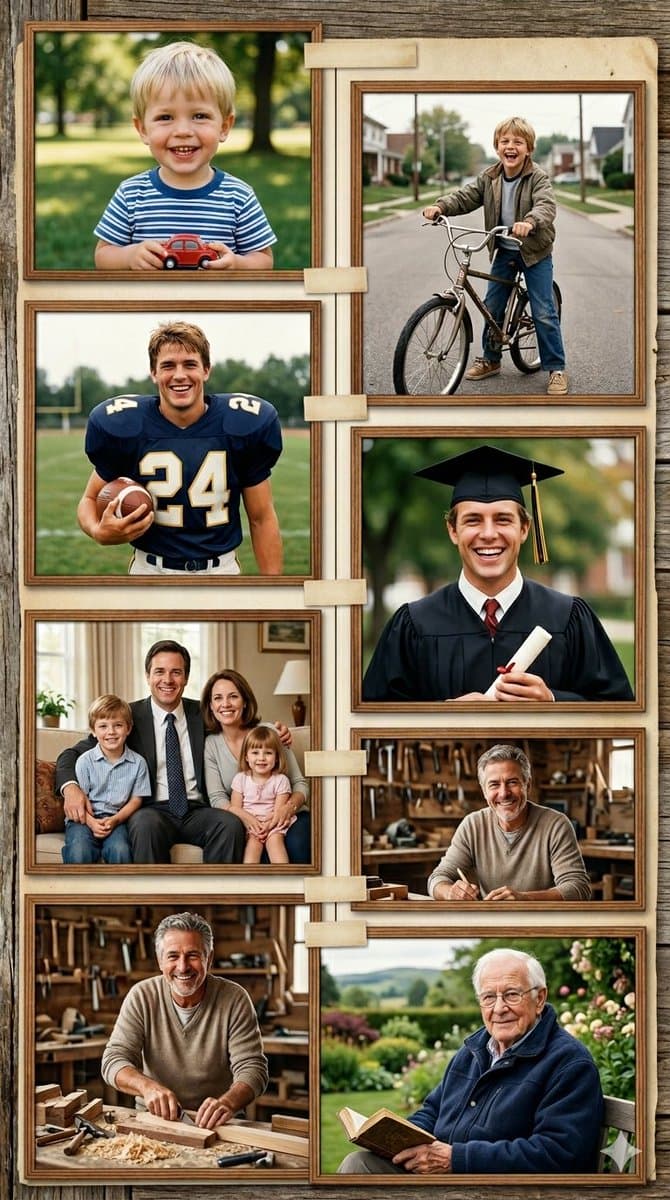
Storytelling / Narrative Photography AI Image Prompts reference 101
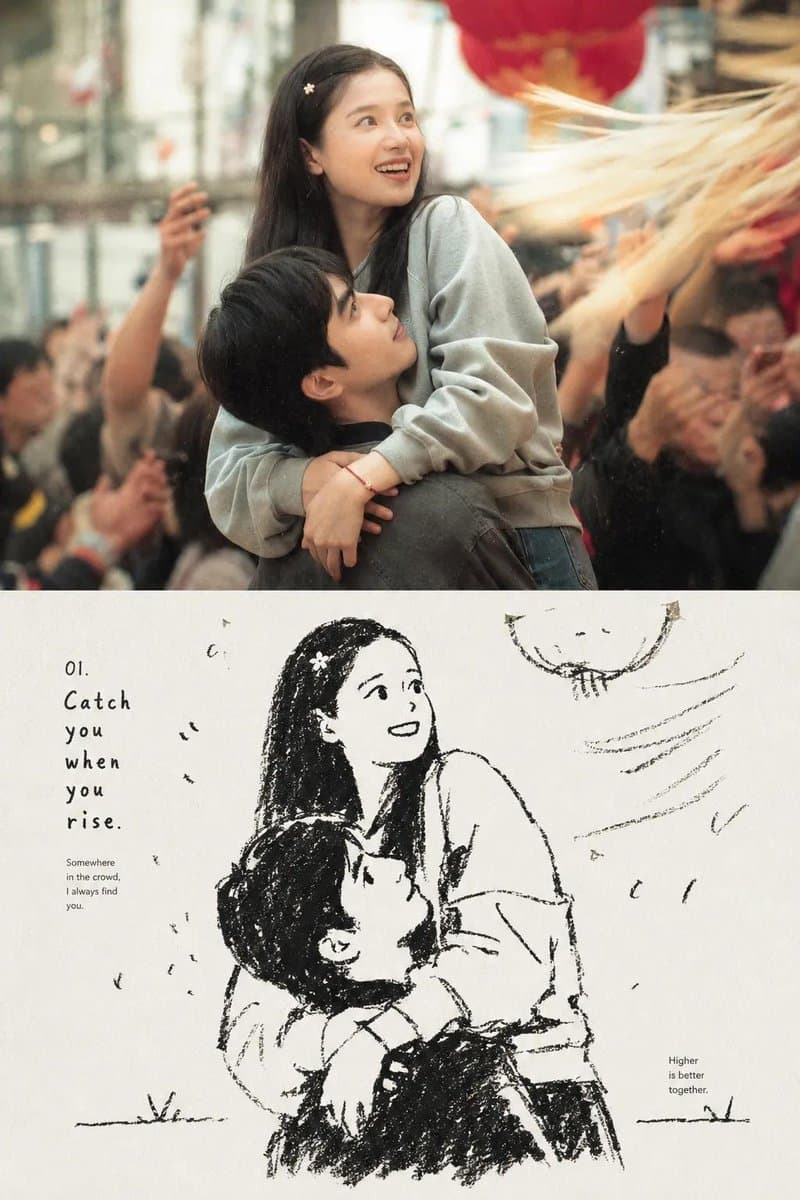
Storytelling / Narrative Photography AI Image Prompts reference 202
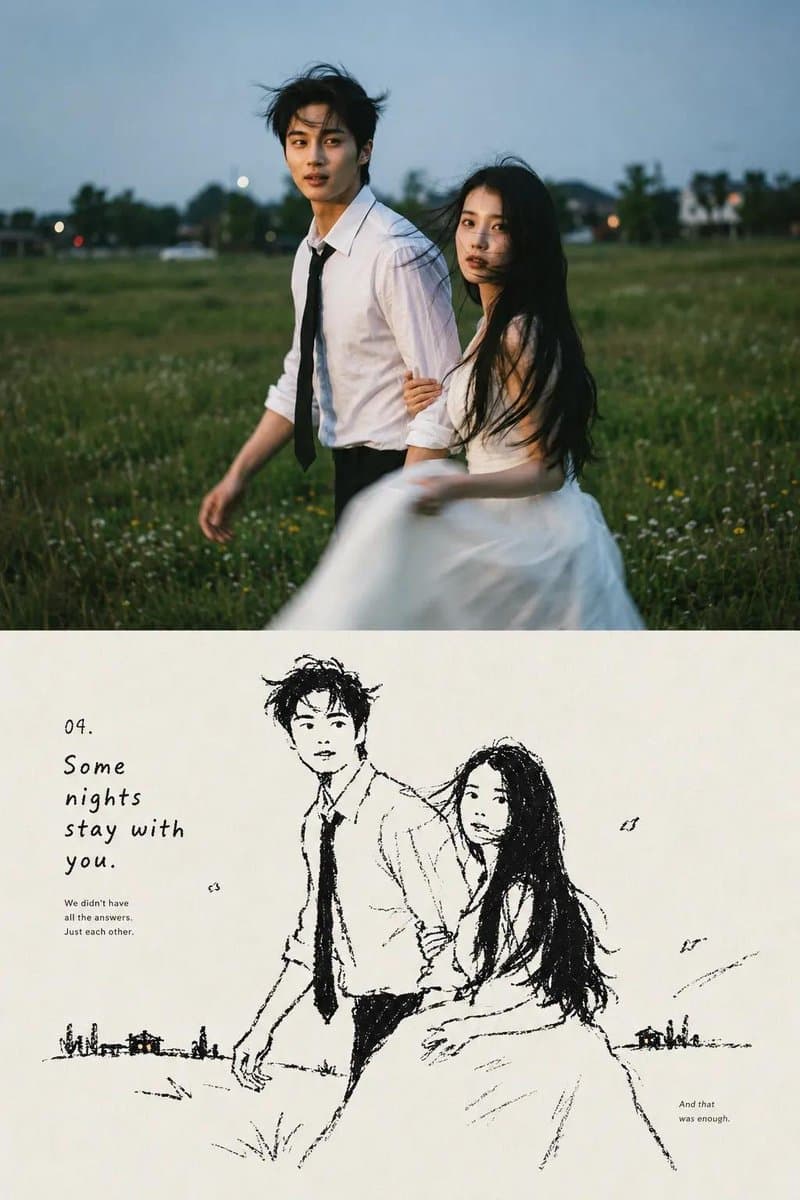
Storytelling / Narrative Photography AI Image Prompts reference 303
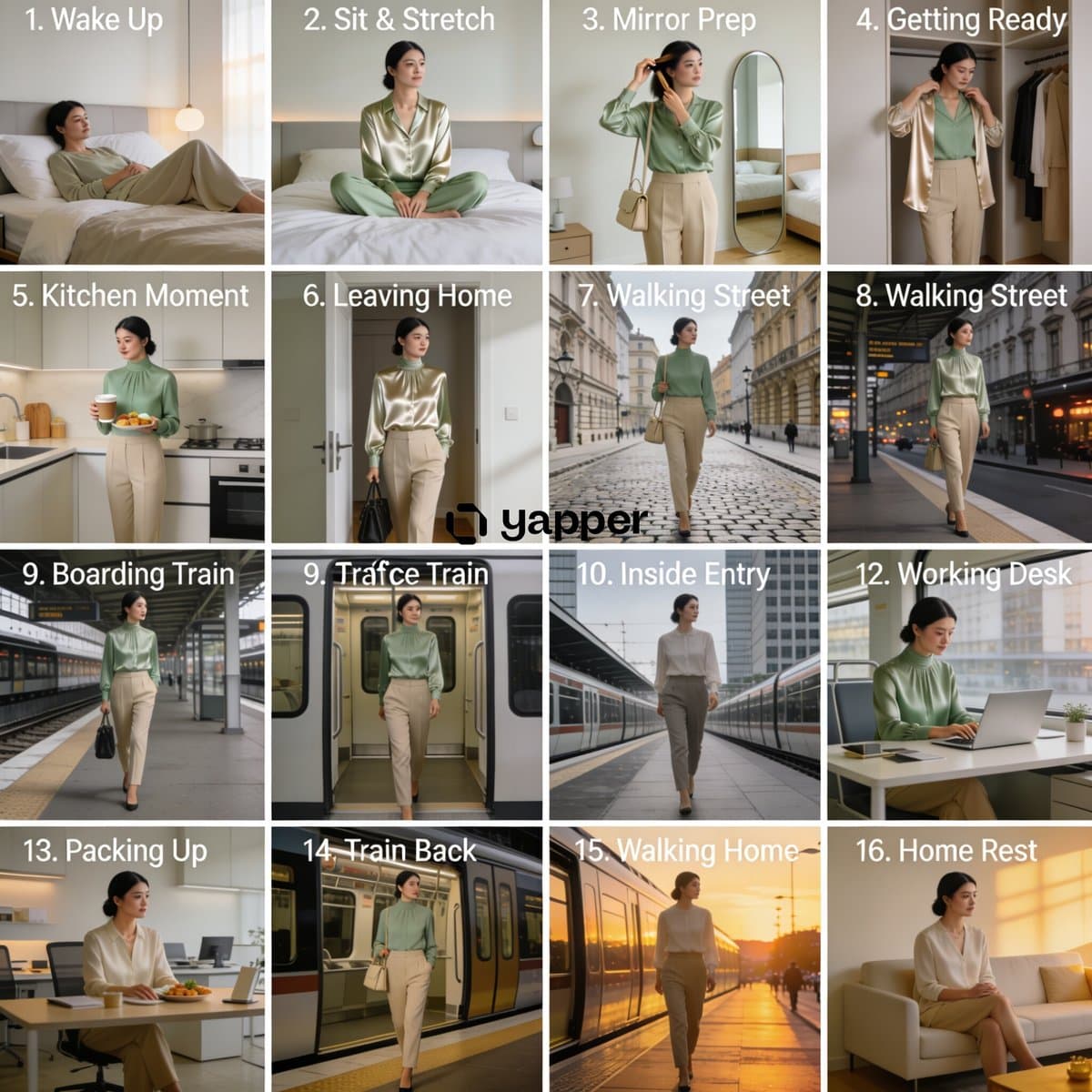
Storytelling / Narrative Photography AI Image Prompts reference 404
VEYVIA / STORYTELLING-NARRATIVE-PHOTOGRAPHYCURATED
Prompt library

Choose the closest frame to begin.

Open any reference to inspect the full prompt, or take its image and aspect ratio straight into the generator.

2 public prompts
Storytelling / Narrative Photography AI Image Prompts prompt 101
photo-collageeditorial-photographyfashion-editorial

16-Step Daily Routine Storyboard (4×4 Grid) [VISUAL STYLE] Clean, high-end lifestyle storyboard in a 4×4 grid (16 panels) Soft cinematic realism, neutral color palette, elegant tones Bright, airy lighting with smooth shadows Minimal, modern aesthetic (European-inspired interiors + streets) [GRID LAYOUT, STRICT] 4×4 grid (16 equal panels) Thin white or black divider lines Each panel clearly numbered 1 to 16 Top-left of each panel: step number + short title Consistent framing and spacing across all panels [CHARACTER — VERY IMPORTANT] Use the provided reference image for exact facial features, hairstyle, and proportions Same woman in all 16 panels (no variation) Realistic, consistent identity (no face distortion or drift) Natural expressions evolving through the day [WARDROBE, STRICT CONSISTENCY] Home scenes (Steps 1–4): Modest loungewear (loose pants or long skirt + full-sleeve top) Fully covered, no cleavage, no short clothing Outside + Office (Steps 5–16): Outfit based on reference image: Elegant satin blouse (high neckline, long sleeves, fully covered) Tailored full-length trousers (no skin exposure) Neutral tones (soft green top, beige trousers or similar palette) Small handbag accessory [ENVIRONMENT FLOW] Modern minimal home interior European-style street (cobblestone, classic buildings) Train station platform Inside train Office space (clean, modern desk setup) Evening street + home return 🔢 [16 PANELS, EXACT STORY FLOW] Wake Up, lying in bed, soft morning light Sit & Stretch, waking up, relaxed pose Mirror Prep,brushing hair / adjusting look Getting Ready, putting on outfit Kitchen Moment, holding coffee / breakfast Leaving Home, stepping out door with bag Walking Street, European street, confident walk Train Station, waiting on platform Boarding Train, stepping into train Inside Train, sitting/standing, looking outside Office Entry, walking into building Working Desk, using laptop, focused Packing Up, end of workday Train Back, evening commute Walking Home, sunset lighting, relaxed Home Rest, sitting, calm ending moment [COMPOSITION,a EACH PANEL] Center: full or mid-body pose Background matches scene context Natural posture and motion No clutter or extra people [LIGHTING PROGRESSION] Morning: soft warm light Day: neutral bright Evening: golden tones Night: soft indoor lighting [RENDER QUALITY] Ultra-detailed, photorealistic Sharp facial consistency Clean textures (fabric, skin, environment) No artifacts, no distortion [RESTRICTIONS] No revealing clothing No extra characters No exaggerated poses No style inconsistency Maintain realism and continuity.

Storytelling / Narrative Photography AI Image Prompts prompt 202
reference-image-transformationink-drawingeditorial-photography

Create a nostalgic editorial photo-to-sketch artbook page based on the reference image. Preserve the same subjects, pose, facial expressions, clothing, composition, and emotional atmosphere from the original photograph. Divide the page vertically into two connected sections: the upper section is a cinematic, ultra-realistic photograph with soft natural lighting, subtle film grain, shallow depth of field, authentic colors, and an intimate candid feeling; the lower section transforms the exact same scene and characters into a loose black-and-white hand-drawn ink illustration on warm off-white textured paper, with expressive imperfect lines, rough cross-hatching, minimal shading, and a handmade sketchbook aesthetic. Add tasteful editorial typography around the illustration, including a small numbered title, short poetic handwritten-style caption, and tiny documentary-style notes, creating the feeling of a premium contemporary photography journal or Japanese-inspired visual diary. Keep generous cream-colored negative space, subtle paper texture, slightly imperfect ink printing, understated vintage layout, sophisticated minimalist graphic design, emotionally warm and cinematic, cohesive transition between photograph and drawing, high detail, natural proportions, authentic human anatomy, no watermark, no logos.

Reference to result

Three steps forward, without starting from a blank canvas.

  1. 01

    Pick a reference

    Choose the frame closest to your goal in composition, color, and purpose.

  2. 02

    Adjust the details

    Change the subject, copy, style, and image ratio in the generator.

  3. 03

    Generate the image

    Keep the prefilled reference, generate, then refine from the result.

Nothing quite fits?

Start with a blank prompt and define the subject, composition, typography, and aspect ratio yourself.

Create from scratch
Working notes

Get closer to a finished image on the first pass.

01

About Storytelling / Narrative Photography prompts

Storytelling / Narrative Photography prompts help organize visual ideas around a specific style, subject, medium, or photography use case. Published examples may change as the collection grows.

02

How to write a stronger Storytelling / Narrative Photography prompt

Name the main subject first, then define composition, environment, lighting, palette, materials, camera or rendering technique, aspect ratio, and the intended output.

03

How to refine the generated result

Remove conflicting style instructions, keep one clear visual direction, and review anatomy, text, logos, perspective, and important category-specific details before publishing.

Common questions

A few things to know before you begin.

What are Storytelling / Narrative Photography AI image prompts?

They are reusable visual briefs grouped under the Storytelling / Narrative Photography category. Each brief can be adapted to a different subject, reference image, composition, or output size.

How are Storytelling / Narrative Photography examples selected for this collection?

Published prompts are assigned to this collection when their subject, style, or intended use matches the Storytelling / Narrative Photography category.

Can I customize these Storytelling / Narrative Photography prompts?

Yes. Replace the subject and context, then adjust the lighting, palette, materials, lens or rendering method, aspect ratio, and detail level for your project.